
Yard drainage solutions Brighton
Yard drainage solutions are designed to stop water from pooling, eroding soil, and turning outdoor spaces into muddy, unusable areas. This service can address grading issues, runoff patterns, low spots, and drainage paths that trap water after rain or snowmelt. For homes with recurring wet areas, practical yard drainage improvements help protect landscaping, improve usability, and move excess water away from structures and hardscapes.
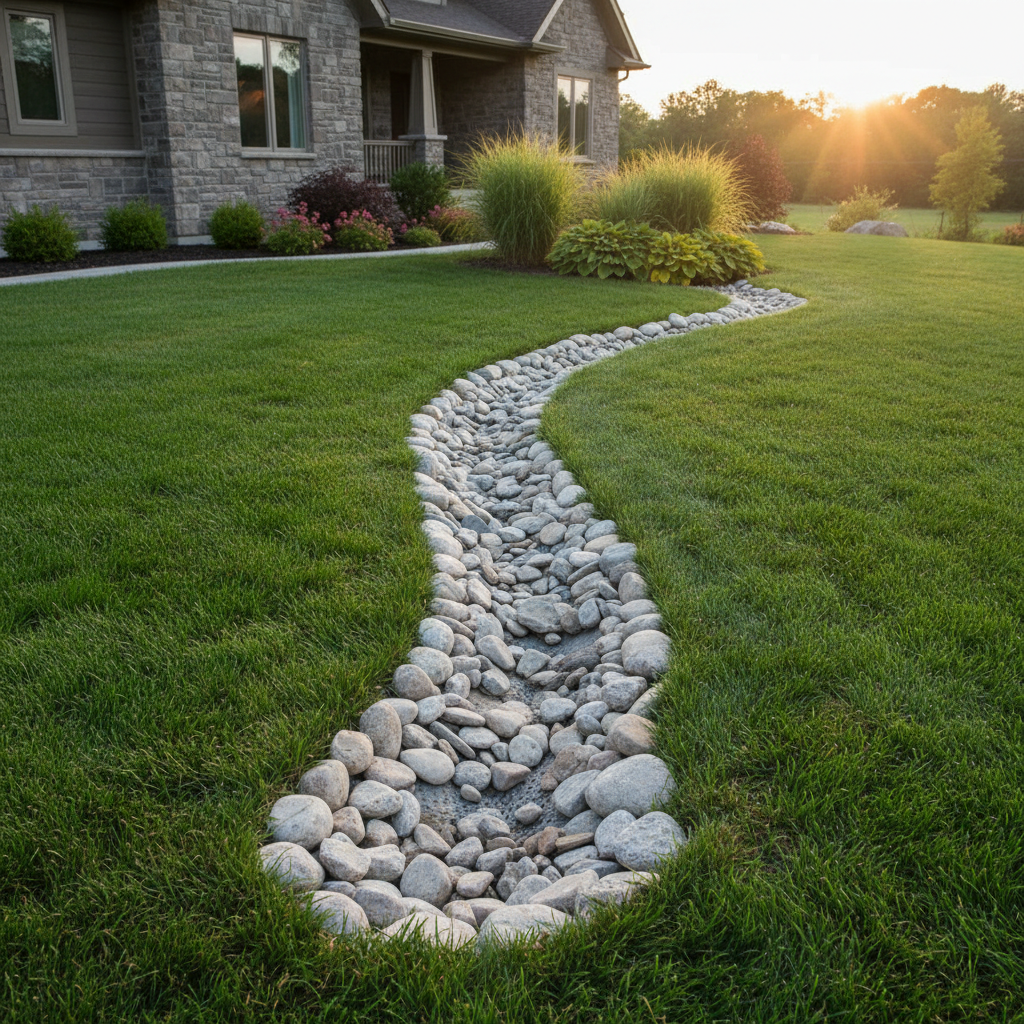
Why You Need Yard drainage solutions
Yard drainage solutions focus on how water moves across your property and where it gets trapped. Many drainage issues start when runoff has nowhere to go, when grade changes direct water into low areas, or when the yard collects roof and surface water faster than the soil can absorb it. The result can be standing water, soggy grass, muddy pet areas, eroded mulch beds, or moisture building up near patios, fences, and foundations.
This service may involve one drainage method or a combination of improvements depending on the layout of the property. The right approach depends on where water originates, how long it remains, and whether the issue is surface runoff, subsurface saturation, or both. Good yard drainage planning takes into account elevation changes, hardscape placement, outlet options, and how the property is used day to day.
Yard drainage solutions are especially useful for homeowners who are tired of repeating the same cleanup after every storm. By correcting drainage patterns and moving water more effectively, the yard becomes easier to maintain, safer to walk through, and less likely to experience ongoing soil loss or moisture-related damage near the home.
Signs You May Need This Service
Our Process
Assess grade, runoff direction, and low points
Separate roof water issues from yard water issues
Choose drainage methods based on soil and site layout
Plan a discharge route that prevents new pooling
Coordinate drainage work with existing landscaping and hardscapes
Local Insights
In the Denver-area climate, rapid snowmelt, summer downpours, and dry periods that harden the soil can all contribute to drainage problems. Yards in newer developments and older established neighborhoods may both struggle with runoff, but for different reasons such as compacted soil, settled grades, or changed landscaping. Yard drainage solutions help adapt the property to those real site conditions instead of relying on temporary fixes.
Pro Tip
After a storm, take photos of puddles, runoff paths, and the last places to dry out in the yard. Marking those spots gives a much clearer picture of the drainage pattern than looking at the yard when it is dry.
This is useful because drainage problems often appear in multiple connected areas. What looks like one wet patch may actually be caused by roof runoff, a grade break, or water coming from a higher section of the yard.
Avoid adding fill or building up a low area without confirming where the displaced water will go, especially if it could shift runoff toward the home.
Frequently Asked Questions
Experience & Track Record
Reliable yard drainage solutions come from evaluating how water enters, travels through, and exits the property rather than treating only the visible puddle.
Uziel Reyes
Founder, Kings Exteriors & Gutter Systems LLC
Credentials & Guarantees
Problems We Solve
- Standing water across lawn areas
- Muddy spots that never dry out
- Erosion along slopes or bed edges
- Runoff collecting near patios or walkways
- Water migrating toward the foundation
Pricing Factors
- Size of the affected drainage area
- Severity of pooling or erosion issues
- Amount of grading or trenching needed
- Access for equipment and materials
- Need for multiple drainage components
Need Yard drainage solutions?
Request a free estimate from our experienced team.